
Surviving Food Insecurity in the UK
Food Insecurity in the UK and Finding a Solution that Works
by Ruby Qaimkhani
According to the Big Issue the UK’s food poverty rate is among the highest in Europe, even though it is the sixth richest country in the world. Millions are struggling to access the food they need.

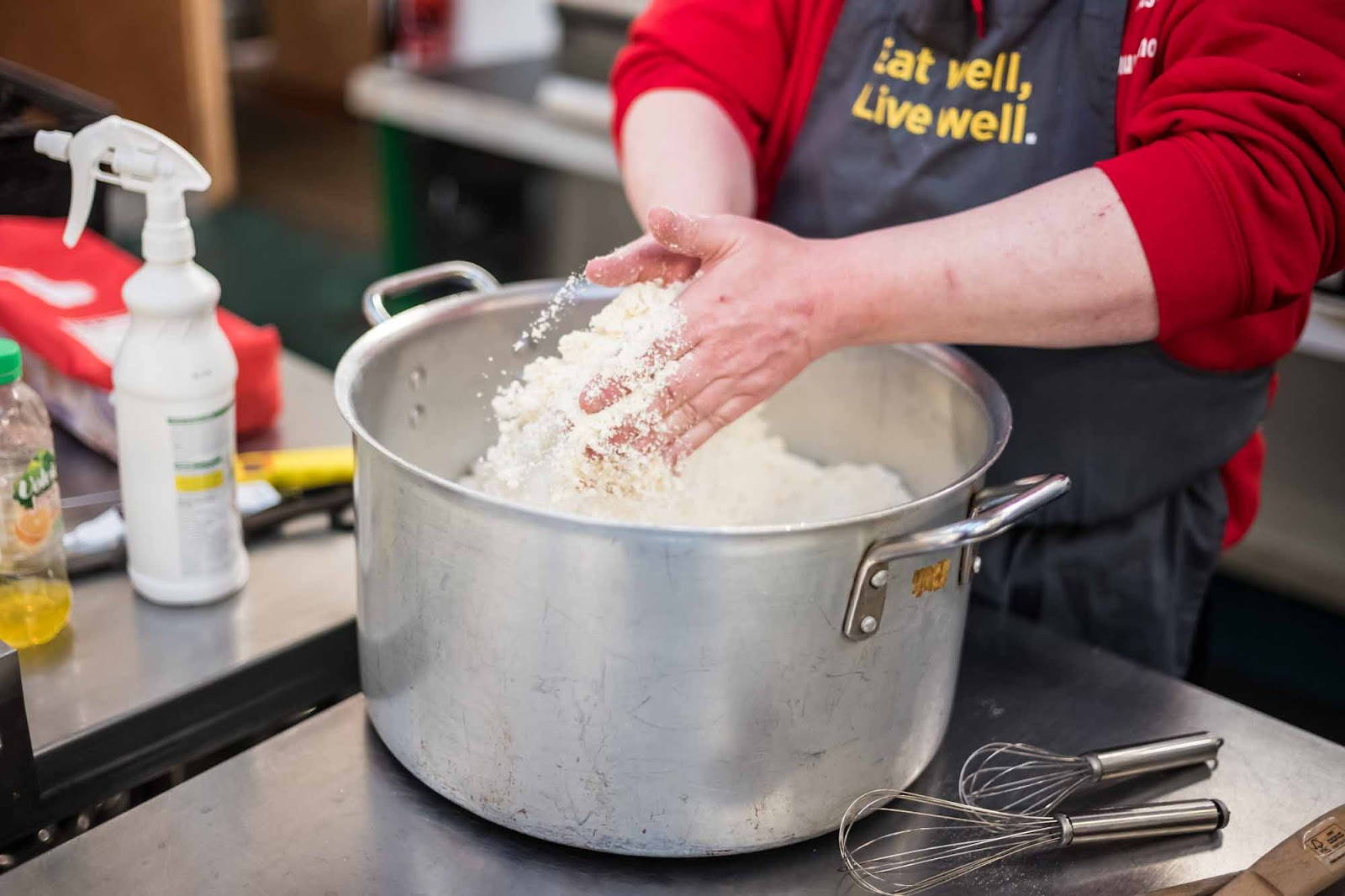
Food Insecurity in September 2022 was at its highest since the first wave of the covid-19 lockdown in March 2020, with The Food Foundation reporting that 9.7 million adults experienced food poverty in one month.
So why is this the case?
I speak to Jack Barton, a communications manager at Mustard Tree. Mustard Tree is a service that aims to combat and prevent poverty, inequality and homelessness across three sites in Greater Manchester. He explains that Mustard Tree’s clientele has grown by 143% since before the Covid-19 pandemic in 2020.
According to Jack, the demand has accelerated because of Covid-19 and the charity kept its doors open throughout the pandemic over a period of 18 months.
“We didn’t have people off on furlough,” Jack says. “We stayed open because at the time we had about 500 food club clients. We were really worried that if we did close, how would they get food?
He explains that “at the time there was also panic buying at the supermarket. That was for everybody so we thought ‘well, if we can’t get access to food, then how will our clients be able to?’ We made the decision to stay open, for Food Club and crisis support.”
Mustard Tree became one of the only provisions people could take in 2020 to combat food poverty in Manchester city centre. At that time they also partnered with Manchester City Council, the Street Engagement hub and rough sleeping teams to offer wraparound support to those in need.


Although the Covid restrictions eased, other global issues like the Russia - Ukraine war have once again caused a rise in the number of people visiting Mustard Tree and food banks across the city. The war has increased prices for essential goods which has been a contributing factor to the current cost of living crisis.
Jack says: “It’s also affecting us because a lot of our food is bought in from supermarkets or through ‘FareShare’ so our food cost has also risen dramatically.”
FareShare is a food redistribution scheme in the UK which aims to give excess food (which would normally go to waste) to charities that turn it into nutritious meals for vulnerable people.
Jack explains that the rise in food costs is putting a strain on their services and their clients, as there is not enough or as much choice available to them. “That’s why we’re more prevention-based and that’s why our mission is to combat poverty and prevent homelessness and we try to be more long-term focused.”
Mustard Tree’s Food Club was designed to be a short-term fix but Jack emphasises that “it’s becoming more of a lifestyle choice for people that are struggling to get their head above water”.
With energy bills skyrocketing, Jack says “people are having to choose between heating and eating”.
This was the case for Barbara Bolton, an 87-year-old woman from Bury in Greater Manchester who died from hypothermia and a chest infection because she couldn’t afford to heat her home. Read the story of Barbara here.
A Long-Term Solution
A study conducted by Silver and Purdam (2020) at the University of Manchester looked at the results of a food insecurity intervention and its impact on social changes within a group of participants. Findings of the trial suggested that actively showing them how to cook while teaching them key food budgeting skills not only gave them confidence in the kitchen but also reduced feelings of social isolation amongst other benefits.
These transferable skills could then be used in real-life situations when participants were looking for employment or when creating nutritious meals on a budget for themselves and their families.

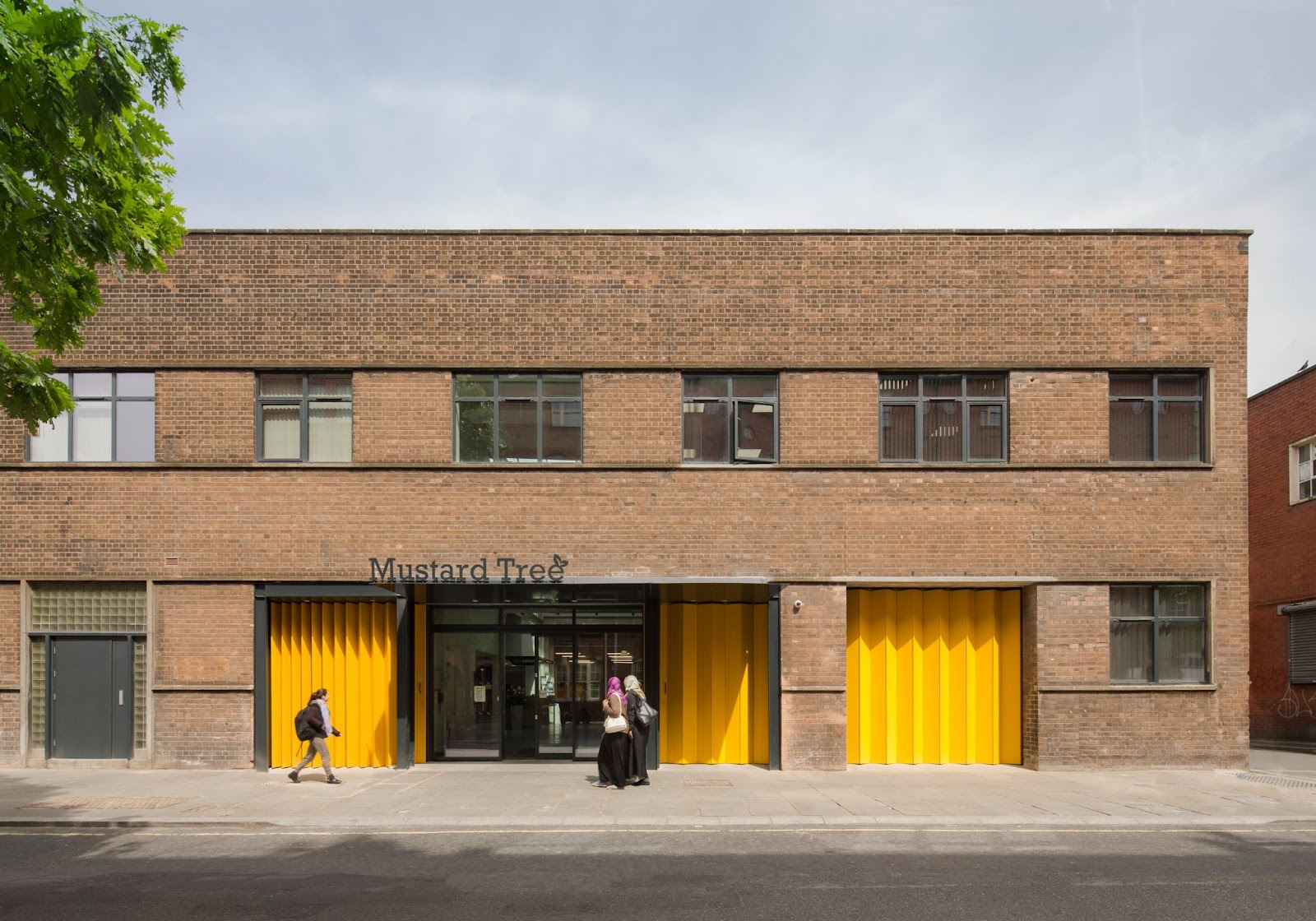
This tested research has also worked in another real-life example; the Mustard Tree’s core offer known as ‘The Freedom Project’ to its community is a much longer project with the aim to give a ‘hand up, not a hand out’ to its clients. The Freedom Project has a key focus which is to provide ‘life skills and employability training placements’ which simulate real working environments.
Jack Barton explains that “someone could join us for a 6-month period on average and it could be in our retail stream in our community shop where they will learn cash handling, till training and customer service skills”.
Mustard Tree offers more than just their retail work stream. They also have a coffee shop and training kitchen where people can learn barista skills and how to make nutritious food like jacket potatoes, paninis and cakes from fresh ingredients.
Mustard tree says it’s aim is to enable their clients to create real meals as opposed to showing them how to heat something in the microwave with the scope of them going into the hospitality industry.
With the success of this approach in Silver and Purdam’s study, perhaps using the approach at Mustard tree will provide a long-term solution to the current crisis in Manchester and the UK.
 Built with Shorthand